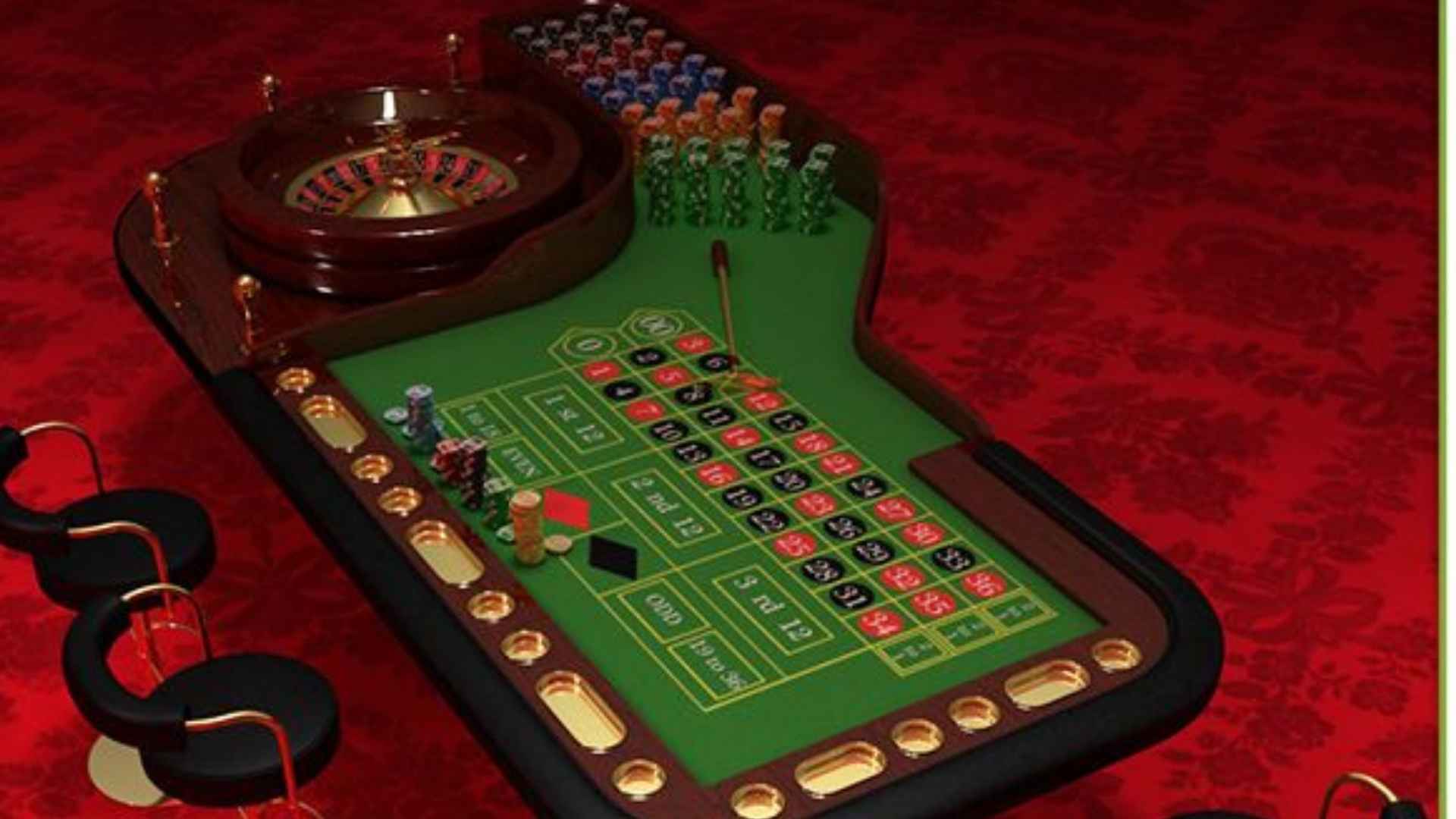
Stepping into a live casino poker room for the first time can feel intimidating, but understanding the core environment makes the transition smooth. Unlike informal home games, casino poker operates under strict etiquette and standardized procedures enforced by professional dealers. Learning the foundational mechanics before sitting at a live table ensures a confident and enjoyable playing experience.
Joining a Live Table and Handling Chips
Before taking a seat, players must report to the poker room podium to register for an open game or join a waiting list. Once seated, you will exchange cash for casino chips directly at the table or at the cashier cage. It is crucial to stack your chips clearly in front of you, placing higher-denomination chips visible toward the front.
When making bets, chips should be pushed forward cleanly in a single movement to avoid string betting. Verbalizing your intended action, such as calling or raising, prevents misinterpretations by the dealer and opponents. Keeping your cards flat on the table ensures that action flows without accidental exposure.
Understanding Basic Dealer Signals and Etiquette
The dealer controls the pacing of every hand and acts as the official referee for all rule interpretations. Players must act only when it is their turn, as acting out of turn disrupts the betting sequence and provides unfair information. Watching the dealer's physical signals helps clarify whose turn it is during active rounds.
Protecting your hidden hole cards with a card weight or single chip is standard procedure to prevent accidental mucking. Players seeking to practice their strategy before visiting a brick-and-mortar venue often research global platforms like m88 cá cược trực tuyến to familiarize themselves with game structures. Respecting fellow players and avoiding unsolicited strategic advice maintains a welcoming atmosphere at the table.
Mastering Betting Rounds and Hand Rankings
Most traditional casino tables feature Texas Hold'em, which begins with the forced bets known as the small blind and big blind. Players receive two private cards followed by three betting rounds across the flop, turn, and river community cards. Understanding how your hole cards connect with the board determines whether to check, bet, call, or fold.
A solid grasp of standard poker hand rankings is necessary for making timely decisions during a live round. Hands range from high card combinations up to prestigious royal flushes, with higher-ranking hands winning the pot at showdown. Knowing these relative values helps players assess potential risks against active opponents.
Handling the Showdown and Collecting Pots
When betting completes after the final round, the last aggressive player shows their cards first to determine the winning hand. If all players checked on the final round, the player nearest to the dealer button turns over their cards first. The dealer verifies the winning five-card combination and pushes the accumulated pot accordingly.
Never touch the chips in the pot directly, as only the designated dealer handles pot distribution. Once the dealer pushes the pot to the winner, a new hand begins immediately with the dealer button moving clockwise. Adhering to these simple steps guarantees a seamless routine for any beginner navigating live casino poker.